|
|
Some 2 million American workers are victims
! N: {' Z% {0 a! M* Gof workplace violence each year. Workplace, U" W/ i7 \- l |( q Z5 \
violence can strike anywhere, and no one is$ c/ ], y% {& O- v+ P9 c+ F! R: ?
immune. Some workers, however, are at
9 J6 _9 w1 u; M* P8 Vincreased risk. Among them are workers who W" B+ c3 k, }' a" O* K9 s. C
exchange money with the public; deliver
; R2 ?) J# f j0 ~. A) i/ K0 V0 g* [passengers, goods, or services; or work alone or) I6 l, h& a, O+ j1 N" n J
in small groups, during late night or early
- w d) k- O# I, q, M) p" Amorning hours, in high-crime areas, or in2 C3 ?- L0 ?6 w: P# T c! I
community settings and homes where they have
+ H; X; H9 J `) m& t9 a" lextensive contact with the public. This group
4 o- a- ]8 B& Eincludes health-care and social service workers
+ G8 H5 R3 R( _* E H8 S" Bsuch as visiting nurses, psychiatric evaluators,5 M4 Y' j3 D" [* e/ p, R
and probation officers; community workers such
7 y# J# J6 r! C0 Ras gas and water utility employees, phone and! h- f% x+ H6 S) u; C
cable TV installers, and letter carriers; retail
& }6 k- U, \( T. pworkers; and taxi drivers. |
|
 [复制链接]
 /1
/1 



 |关于安规|小黑屋|安规QQ群|Archiver|手机版|安规网
( 粤ICP13023453-10 )
|关于安规|小黑屋|安规QQ群|Archiver|手机版|安规网
( 粤ICP13023453-10 )


 窥视卡
窥视卡 雷达卡
雷达卡 发表于 2013-9-10 11:37




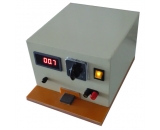
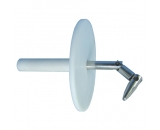

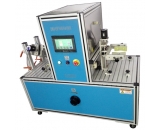
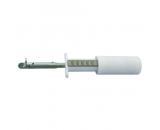
 显身卡
显身卡

