|
|
以下引自EN 60968-2000
. }5 }1 V4 U( e) a
8 O4 @2 B6 q; }5 f6 Protection against electric shock , i; F1 _ s* O% t* P
6 y, J- @, ^5 d, V* p
Self-ballasted lamps shall be so constructed that, without any additional enclosure in the form of a luminaire, no internal metal parts or live metal parts of the lamp cap are accessible when the lamp is installed in a lampholder according to Publication 238.
# ~. Q3 [' J3 y$ ~4 ]- N1 t
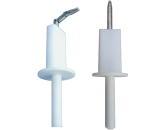
* `/ W. j- N; S! f9 }0 h+ UCompliance is checked by means of the test finger specified in Figure 1, if necessary, with a force .
# b$ K* ^& u' K7 v9 }) w* v
# i1 P/ O2 H1 S3 o: [! G灯头部分的“防电击”,偶清楚了,“no internal metal parts or live metal parts of the lamp cap are accessible when the lamp is installed in a lampholder ”( y( w% k+ T' Y- q# x6 |$ r- [
7 `6 x% j& Y3 |/ W) A+ s但和灯头相邻的外壳部分呢?; e& A. [% V, O3 K. B0 U" T* I
5 m/ F& Q. i# B+ t, j如果外壳露出了危险电压部件,该如何计算“电气间隙和爬电距离”呢?) ^+ g5 [/ ]. W" u
& h' o; e4 S1 }/ g+ L% J) J& m/ V外壳允不允许开孔?开孔的尺寸有什么要求?' G( |( f6 H1 B% z$ w0 d' F! l- f
( N5 m8 }4 C" I6 t( d2 i(EN 60968中可没答案呀) |
|
 /1
/1 
 |关于安规|小黑屋|安规QQ群|Archiver|手机版|安规网
( 粤ICP13023453-10 )
|关于安规|小黑屋|安规QQ群|Archiver|手机版|安规网
( 粤ICP13023453-10 )


 窥视卡
窥视卡 雷达卡
雷达卡 发表于 2007-7-6 20:54
 显身卡
显身卡 楼主
楼主