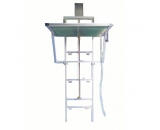
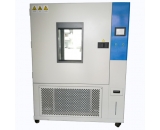
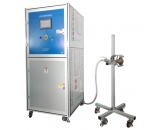
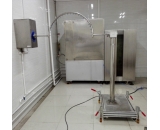
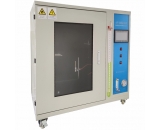
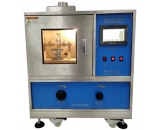
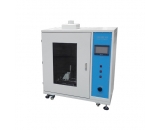
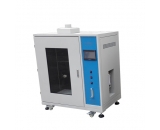
是问你做完冷热之后,是由于温差引起的冷凝水还是做完实验之后直接进水的?
冷凝水。。。。。 我对环境试验不是很清楚,不过我记得好像做冷热试验的时候,从低温恢复到常温会有一定的时间段的,不知道你们这个有没有要求 d) 1) For luminaires without drain holes, there shall be no water entry.
NOTE Care should be taken not to mistake condensation for water entry.
2) For luminaires with drain holes, water entry including condensation is allowed during the
tests if it can drain out effectively and provided it does not reduce the creepage and
clearance distances below the minimum levels specified in the standard;
如果没有排水孔,不能有任何水进入灯具内部,应注意不要将凝露误认为是进水。
如果灯具内带有排水孔且水可以有效的排出,不会使爬电距离和电气间隙发生改变。水的进入包括凝露水是允许存在的;
从标准上看,你的IP44没问题,凝露水不算进水。 老外是根据可靠性后再检查的,实际上这是结合有时候的使用情况,说明人家注重产品质量.
安规你只要耐久做了之后还满足IP要求就可以过,但客户的要求往往高于标准,赚人家的钱有时候就得按人家要求的办。
路过,呵呵 这个是可靠性测试,不是安全测试 经过冷热冲击后,灯具腔内和腔外产生压强差,从而使灯具在冷热冲击的时候产生呼吸效应,灯具连接部件的垫圈由于冷热冲击产生变化,所以灯具内部会产生雾气或水珠
页:
1
[2]